


In the first medical evacuation in the 25-year history of the International Space Station, NASA and SpaceX are bringing four astronauts home early after one crew member experienced a serious but stable medical condition that cannot be fully diagnosed or treated in orbit.
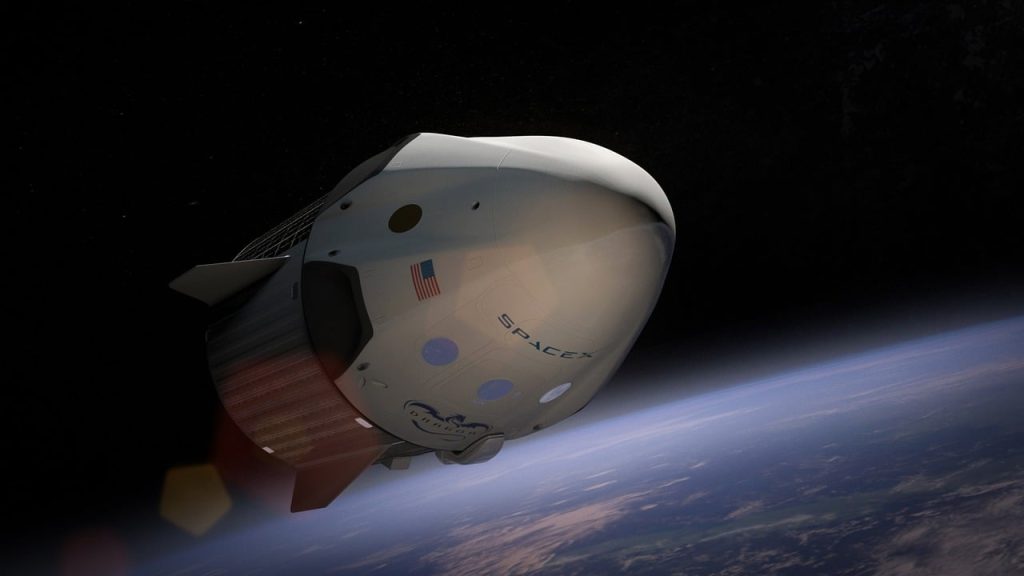
The four-member Crew-11 team, commanded by NASA astronaut Zena Cardman with pilot Mike Fincke, Japan Aerospace Exploration Agency astronaut Kimiya Yui, and Roscosmos cosmonaut Oleg Platonov, undocked from the station aboard their SpaceX Crew Dragon spacecraft named Endeavour on January 14, 2026. The undocking occurred around 5:05 p.m. Eastern Time from the Harmony module’s dorsal port, following hatch closure earlier in the afternoon. The spacecraft is targeted for a parachute-assisted splashdown in the Pacific Ocean off the coast of California early on January 15, approximately 3:40 a.m. Eastern Time, depending on final weather and sea conditions.
The decision stemmed from a medical concern that arose on January 7 with one unidentified crew member. NASA officials, citing privacy rules, have released no details about the individual’s identity or the precise nature of the condition. NASA Administrator Jared Isaacman described it during a January 8 briefing as a serious medical situation, though he emphasized the astronaut remains stable and the return is a controlled, precautionary measure rather than an emergency. Chief Health and Medical Officer Dr. James Polk noted that while the ISS carries a robust medical kit, including diagnostic tools for many scenarios, it lacks the full capabilities of ground-based facilities for comprehensive evaluation and treatment.
This marks the first time a crew has been evacuated from the ISS for medical reasons since continuous human habitation began in November 2000. Computer modeling had suggested such an event might occur roughly every three years, yet none had arisen until now. The early departure shortens Crew-11’s mission, which launched from Kennedy Space Center on August 1, 2025, and was originally planned to last about six months with a return in mid-February. In preparation, the crew conducted a change-of-command ceremony on January 12, during which Fincke handed ISS command to Roscosmos cosmonaut Sergey Kud-Sverchkov. The station now operates with a reduced “skeleton crew” of three: Kud-Sverchkov, fellow cosmonaut Sergei Mikaev, and NASA astronaut Chris Williams. NASA plans to accelerate the launch of Crew-12, the next rotation, to help restore full operations, though no exact new date has been confirmed beyond a target no earlier than mid-February.
The incident also led to the cancellation of a planned January spacewalk. Officials stressed that the medical issue was unrelated to spacesuit preparations or station activities. Throughout the process, NASA and SpaceX have coordinated closely, with live coverage provided on NASA TV, NASA+, and agency streaming platforms for the undocking and return phases.
Crew-11’s return underscores the challenges of long-duration human spaceflight, where even routine health matters can demand swift action in an environment far from immediate medical support. As the Dragon capsule carries the astronauts through reentry, facing temperatures up to 3,500 degrees Fahrenheit before a gentle ocean touchdown, the focus shifts to post-flight evaluations that will inform future missions, including those under NASA’s Artemis program aiming for the Moon and beyond.