Inside ICE’s Expanding Surveillance Tech and How Protesters Are Tracked

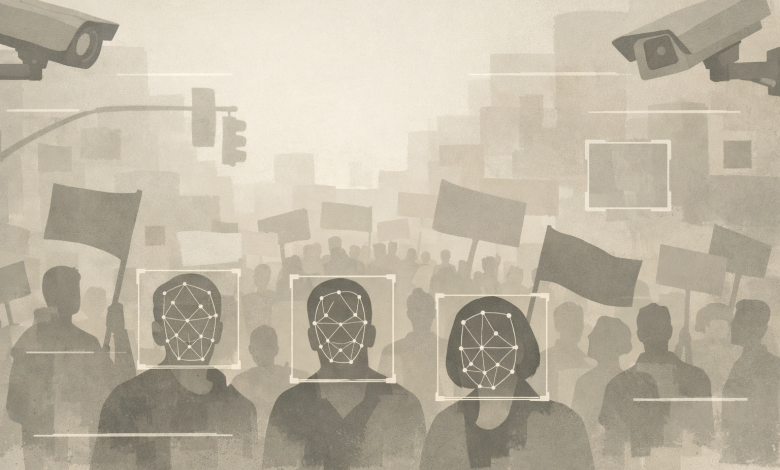
Federal immigration agents are increasingly using advanced surveillance technologies to identify and monitor protesters in Minneapolis, according to current and former government officials.
Facial recognition, social media monitoring, and large-scale data analysis tools are being deployed alongside traditional enforcement methods. In several recent encounters, US citizens reported being identified by name by agents they had never met before.
One local activist said an agent informed her that facial recognition was active and recording during a roadside interaction. She later received notice that her trusted traveler status had been revoked, with no explanation provided.
Officials say facial recognition is only one part of a broader system. Agents are also using software that aggregates government and commercial data to track individuals in near real time. Social media tools allow investigators to analyze online activity and build profiles based on public and brokered data.
Civil liberties groups warn that the combination of these tools represents a major escalation in domestic surveillance.
“The scale and integration of these technologies give the government unprecedented power,” an ACLU attorney told Kernel News.
The Department of Homeland Security has declined to detail which technologies are in use, stating only that agents operate within legal authorities. Procurement records, however, show millions of dollars spent on facial recognition software, phone surveillance tools, and data analytics platforms over the past year.
Funding for immigration enforcement has surged, making ICE the most well-funded federal law enforcement agency. New contracts signal continued expansion into advertising data and so-called big data sources, allowing searches by phone number, device, location, or online account.
For those being monitored, the lack of transparency has fueled fear and uncertainty. Several individuals have joined lawsuits challenging the use of surveillance against protesters and observers.
“I never imagined this could happen to someone like me,” one plaintiff said. “Now I do not know where the line is, or if there is one.”