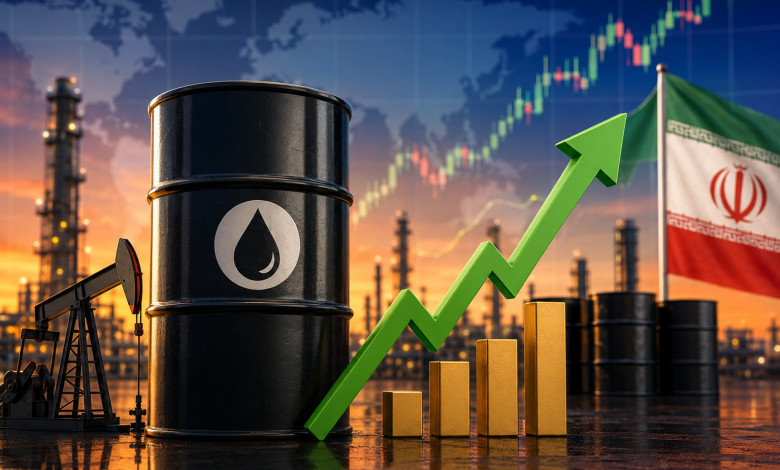
Global energy markets shifted dramatically today as Brent crude oil prices climbed more than 6 percent and pushed above the $75 per barrel mark. Traders responded quickly to the US decision to revoke a general license that had permitted Iran to sell oil on international markets. This policy reversal tightens supply expectations and highlights ongoing tensions in the Strait of Hormuz, a vital route for global oil shipments. Investors now monitor how reduced Iranian exports will affect crude availability and influence costs across industries that rely on stable energy prices.
Geopolitical Tensions Drive Oil Price Volatility
The US Treasury acted swiftly after reports of tanker attacks in the strategic waterway. Officials cited unacceptable actions by Iran as the reason for ending the authorization, with a short wind down period until mid July. Brent crude futures reacted immediately with strong gains, reflecting tighter supply forecasts. Energy analysts note that this development adds pressure on global inventories and could accelerate shifts toward alternative energy sources in the tech sector, where data centers and manufacturing demand reliable, affordable power. Companies in semiconductors, cloud computing, and electric vehicles watch these fluctuations closely because higher oil costs often translate into elevated operational expenses.
Implications for Tech and Broader Energy Transition
Rising Brent crude prices above $75 create ripple effects that tech leaders cannot ignore. Firms investing in renewable infrastructure and energy efficient hardware see both challenges and opportunities in this environment. Supply chain costs for components and logistics may increase, prompting accelerated innovation in green technologies. At the same time, volatility underscores the strategic importance of diversifying energy sources away from geopolitically sensitive regions. Tech news followers track these events because they shape investment decisions in clean energy startups, battery storage solutions, and AI driven energy optimization tools that help mitigate price shocks.
Market Outlook and Strategic Responses
Analysts predict continued monitoring of production adjustments by major OPEC+ players and responses from US shale operators. Tech companies with significant energy footprints actively explore hedging strategies and long-term contracts to stabilize expenses. This surge reinforces the need for resilient supply chains and greater adoption of sustainable practices across the industry. Stakeholders expect ongoing developments to influence policy discussions around energy security and innovation funding.