North Korea sanctions drew defiance from Pyongyang on October 31, 2026, when a foreign ministry spokesperson said sanctions and pressure “may work on the weak but never on us.” The statement landed two days after attackers drained about $6.3 billion from Binance, the world’s largest cryptocurrency exchange, in what analysts call the biggest crypto hack on record. Blockchain intelligence firms TRM Labs and Chainalysis blame North Korea’s TraderTraitor hacking group for the theft, though the Pyongyang statement never mentioned the Binance breach.
Pyongyang Rejects Sanctions After the Binance Hack
The Korean Central News Agency (KCNA) carried the statement, which answered a joint declaration from 11 countries and the European Union. That declaration reaffirmed monitoring of North Korea’s activities under United Nations Security Council resolutions and welcomed fresh US, Australian and EU sanctions on cyber operations and overseas workers. The spokesperson called the push a “strategic failure” and insisted that North Korea sanctions will not change the country’s status as a nuclear weapons state.
How the $6.3 Billion Binance Crypto Heist Unfolded
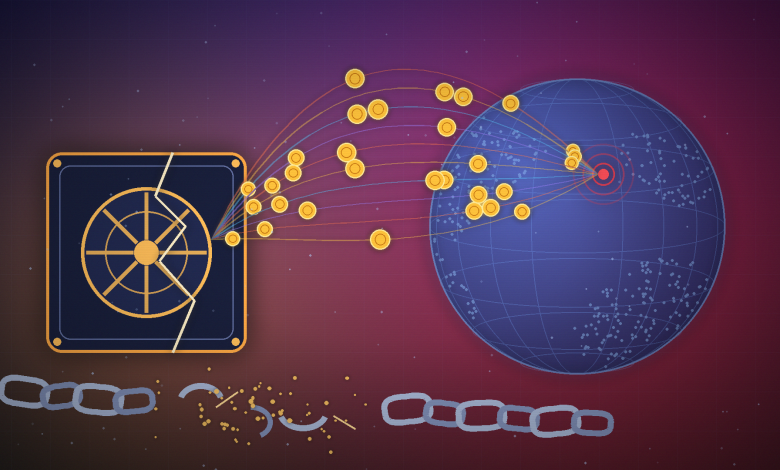
TRM Labs reports that the attacker moved about $6.36 billion out of Binance wallets across ten blockchains, most of it within roughly 20 minutes after 20:05 UTC on October 29. Binance puts the affected total near $6.3 billion, has set aside more than $6.34 billion to cover losses and says user funds remain safe. The FBI and US Secret Service now work with the exchange, and President Donald Trump confirmed a US inquiry into a possible North Korean link. The heist dwarfs the $1.5 billion Bybit hack in February 2025, which the FBI also pinned on North Korea.
What North Korea Sanctions Mean for Crypto Security
Experts say Pyongyang turned to crypto theft to raise foreign currency for its economy and nuclear program under tough UN sanctions. Chainalysis now links North Korea linked hackers to nearly 89% of reported crypto hack losses in 2026, which raises a hard question: do North Korea sanctions slow the regime, or does stolen crypto help it dodge them? Exchanges should respond by hardening wallet infrastructure, monitoring cross-chain withdrawals in real time and vetting remote IT staff, since investigators cite IT worker infiltration and executive impersonation as common tactics. Attribution still rests on blockchain analysis, so watch for official confirmation from US authorities.