SpaceX Cleared for First Crewed Starship Flight as NASA Targets Lunar Flyby in 2026

SpaceX has secured provisional approval from the Federal Aviation Administration and NASA to conduct the first crewed flight of its next-generation Starship vehicle, setting the stage for a critical test mission in early 2026. The milestone marks a turning point in human spaceflight as the company moves one step closer to enabling deep space travel aboard a fully reusable rocket system.
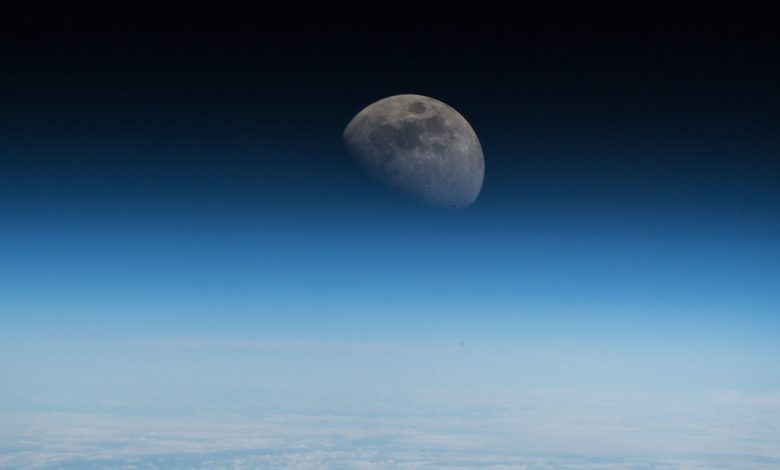
The upcoming mission, currently scheduled for the first quarter of 2026, will carry four astronauts on a lunar flyby trajectory lasting approximately eight days. While the spacecraft will not land on the Moon, the mission is designed to evaluate Starship’s life support systems, deep space navigation capabilities, and overall crew safety in preparation for more ambitious missions under NASA’s Artemis program.
NASA officials confirmed that the agency, in collaboration with the FAA and SpaceX, has completed a preliminary readiness review following the most recent uncrewed Starship launch in October, which demonstrated improved booster recovery and upper-stage orbital stability. The review highlighted substantial progress in thermal shielding, environmental control systems, and rapid stage separation — all areas of concern in earlier test flights.
“Human-rating a vehicle of this scale is no small task, but the data we’ve gathered and the improvements SpaceX has implemented have given us a strong degree of confidence,” said Jim Free, NASA Associate Administrator for Exploration Systems Development. “This flight will be essential to shaping the future of sustainable lunar exploration.”
SpaceX’s Starship platform, which stands nearly 400 feet tall when fully stacked with its Super Heavy booster, is the most powerful rocket ever built. It is central to NASA’s long-term Artemis strategy and is slated to deliver astronauts to the lunar surface for Artemis III as early as 2027. The upcoming crewed test will mark the first time humans travel aboard a spacecraft that is fully designed and operated by a private company for deep space missions.
In a statement, SpaceX founder and CEO Elon Musk emphasized the broader implications of the flight. “This mission will be a historic first for humanity, not just for SpaceX. It is a proving ground for the systems that will eventually take humans to Mars and beyond.”
The mission will launch from the company’s Starbase facility in Boca Chica, Texas, pending final environmental assessments and a full flight readiness review in late 2025. NASA has not yet disclosed the astronaut crew selected for the test flight, but sources close to the agency say an announcement is expected within the next three months.
Industry analysts note that the timeline remains aggressive, especially given the complexity of crewed space missions and the remaining engineering hurdles. However, the rapid progress of Starship testing over the past year has surprised even veteran observers of the space sector.
If successful, the mission would not only represent a breakthrough in crewed launch capabilities but also reaffirm the growing role of private industry in shaping the future of human spaceflight. For NASA, it would be the first time in history that a government agency relies entirely on a commercial spacecraft for a deep space mission.
As the global space industry continues to evolve, this test flight could define the trajectory of the next decade of exploration, from lunar bases to interplanetary missions. The world will be watching as Starship attempts to prove that the era of reusable, high-capacity crewed space travel has finally arrived.